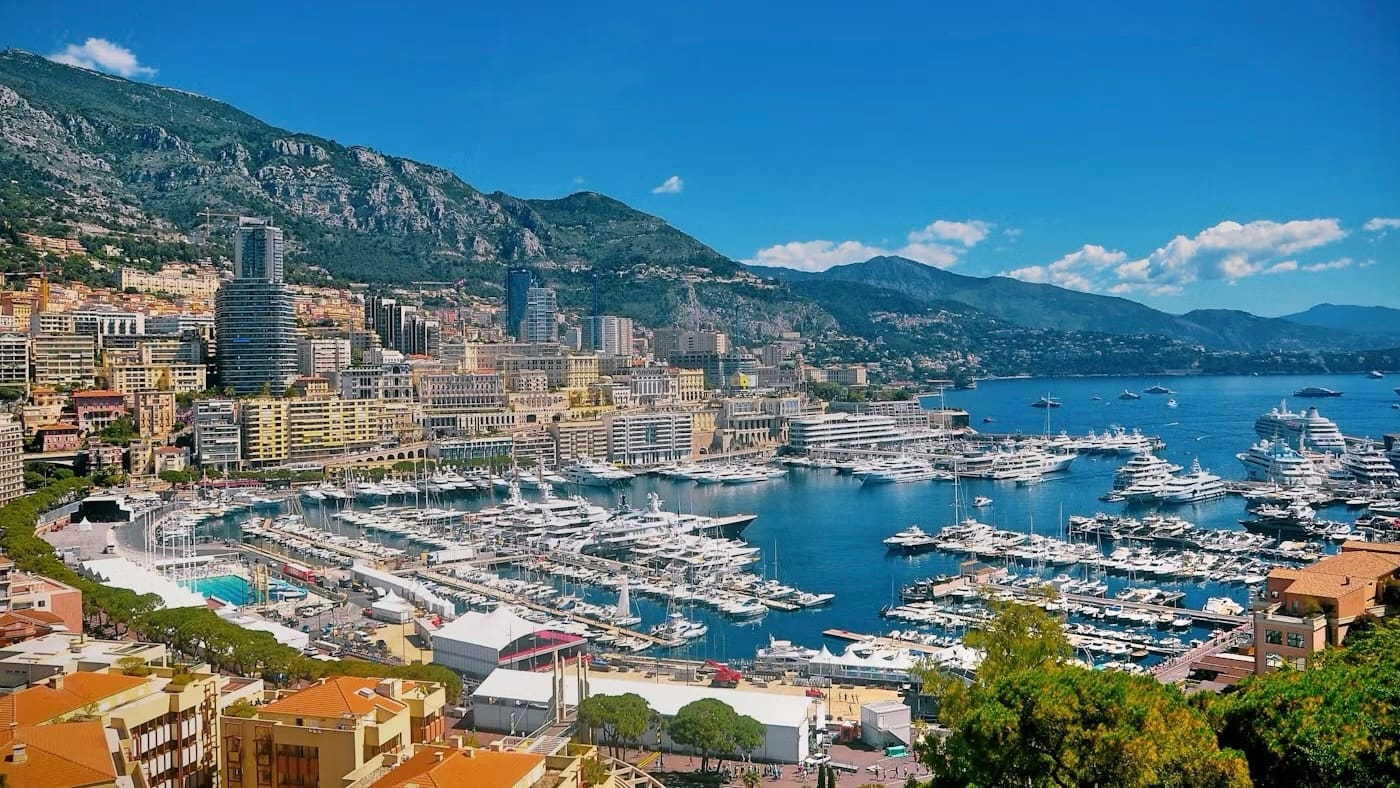
There is a strange little moment in Monaco after the Grand Prix when the Principality appears to take a breath. Not a deep one, obviously. This is Monaco, not a yoga retreat in Somerset. But still, something shifts.
The barriers come down, the engines stop shouting, the yachts return to being decorative rather than strategic viewing platforms, and the streets begin to remember that they are streets, not a circuit. Monaco, having spent several weeks behaving like the world’s most glamorous traffic jam, quietly smooths its hair, adjusts its sunglasses and steps into summer.
It is a beautiful transformation to watch.
For a while, the whole Principality belongs to speed. The sound of engines bounces between the buildings, the harbour becomes a theatre of floating terraces, and everyone, whether invited or not, develops a sudden and very confident opinion about tyre strategy. Then, almost overnight, the mood changes. The roar softens into music. The crowds thin into something more elegant. The city stops performing quite so loudly and begins to glow.
This week, that shift can be felt everywhere.
At Larvotto, art is arriving by the sea with UPAINT Monaco, bringing colour, movement and international artists to the promenade. There is something rather wonderful about street art in a place as polished as Monaco. It is like watching someone place a paintbrush in the hand of a very well behaved aristocrat and politely encourage them to loosen up. Against the blue of the Mediterranean and the neat perfection of the seafront, the work feels alive, spontaneous and just rebellious enough to be interesting.
Then there is the Grimaldi Forum, preparing for its major summer exhibition, Monaco and the Automobile, from 1893 to the Present Day. It is a title that could only belong here. Monaco and the motorcar have always had a relationship that feels less like transport and more like theatre. Elsewhere, cars are used to get from one place to another. In Monaco, they are polished, admired, raced, collected, photographed and occasionally used to move approximately seven metres before being stopped by traffic.
But that, of course, is part of the charm.
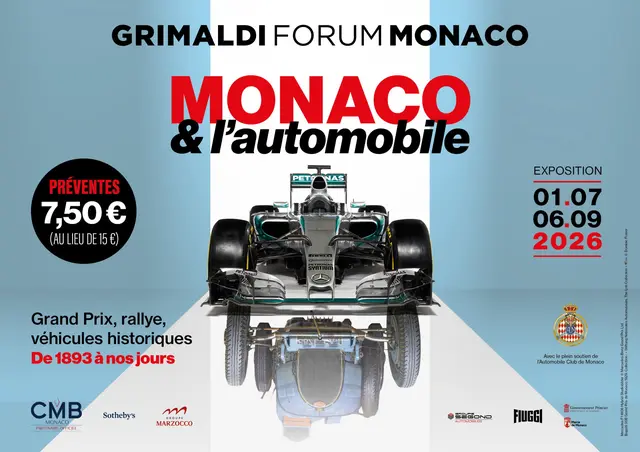
The automobile is woven into Monaco’s identity, not merely because of the Grand Prix, but because it speaks to something deeper in the Principality’s character. Precision, elegance, performance, display. The car here is not just a machine. It is a symbol, a sculpture, a status update on wheels. From early motoring history to modern racing glamour, Monaco has understood the automobile as both engineering and emotion.
And just as the engines fade, music begins to take their place.
The Monte Carlo Summer Festival is on the horizon, ready to bring the Principality into its evening self. Monaco by day is beautiful, but Monaco by night in summer is another creature entirely. The light softens, the sea darkens, the air smells faintly of salt, perfume and expensive decisions. Dinner jackets appear. Heels become ambitious. Someone orders champagne with the seriousness of a diplomatic mission.
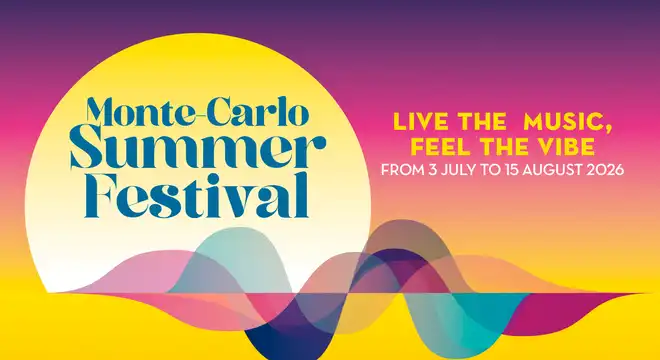
This is when Monaco does what Monaco does best. It becomes a stage.
What makes this moment so interesting is not one single event, but the change in atmosphere. Monaco is often described through its extremes. The fastest race, the largest yachts, the brightest diamonds, the most impossible real estate. But between the spectacle and the sparkle, there is another Monaco. A more subtle one. A place of culture, ritual, history and carefully managed beauty. A place that knows exactly when to make an entrance and, perhaps more impressively, when to lower its voice.
After the Grand Prix, the Principality does not become quiet. That would be asking far too much. But it becomes softer. More artistic. More Mediterranean. The attention turns from speed to style, from engines to exhibitions, from noise to atmosphere.
It is not a retreat from glamour. It is glamour changing costume.
There is something rather poetic about it all. The same streets that held the world’s most famous race now lead people towards art, music, dinners by the water and long golden evenings. The same city that entertained the flashbulbs now welcomes the paintbrush, the orchestra, the collector, the curious passer by.
Monaco, in summer, does not ask you to choose between spectacle and culture. It simply offers both, usually within walking distance and preferably with a sea view.
So perhaps this is the real beginning of the season. Not the roar of the engines, dramatic and irresistible as they are, but the moment afterwards. The pause. The exhale. The return of Monaco to itself.
The Grand Prix may be the thunder.
But summer is the afterglow.