
In a country known for its grand hotels, glittering events and immaculate public spaces, some of Monaco’s most important places are considerably quieter.
They are the rooms where people meet without ceremony. Where someone tries a new class, strikes up a conversation or simply finds a reason to leave the house.
On Thursday, 16 July, Espace Lamartine will reopen after several months of closure caused by water damage. Monaco Town Hall will mark its return with three days of open access, inviting the public to rediscover a venue built not around spectacle, but around community.
Located at 19 Boulevard Princesse Charlotte, the centre is an intergenerational space offering sporting, artistic, cultural and wellbeing activities throughout the year. Its programmes are open to adult Monégasques, residents and students enrolled in the Principality.
The reopening begins at 2pm on Thursday 16th July, with a guided visit through the renovated building and an introduction to the workshops available. From 5.30pm, the afternoon will give way to a musical gathering and reopening cocktail, with the open-door programme continuing on Friday and Saturday.
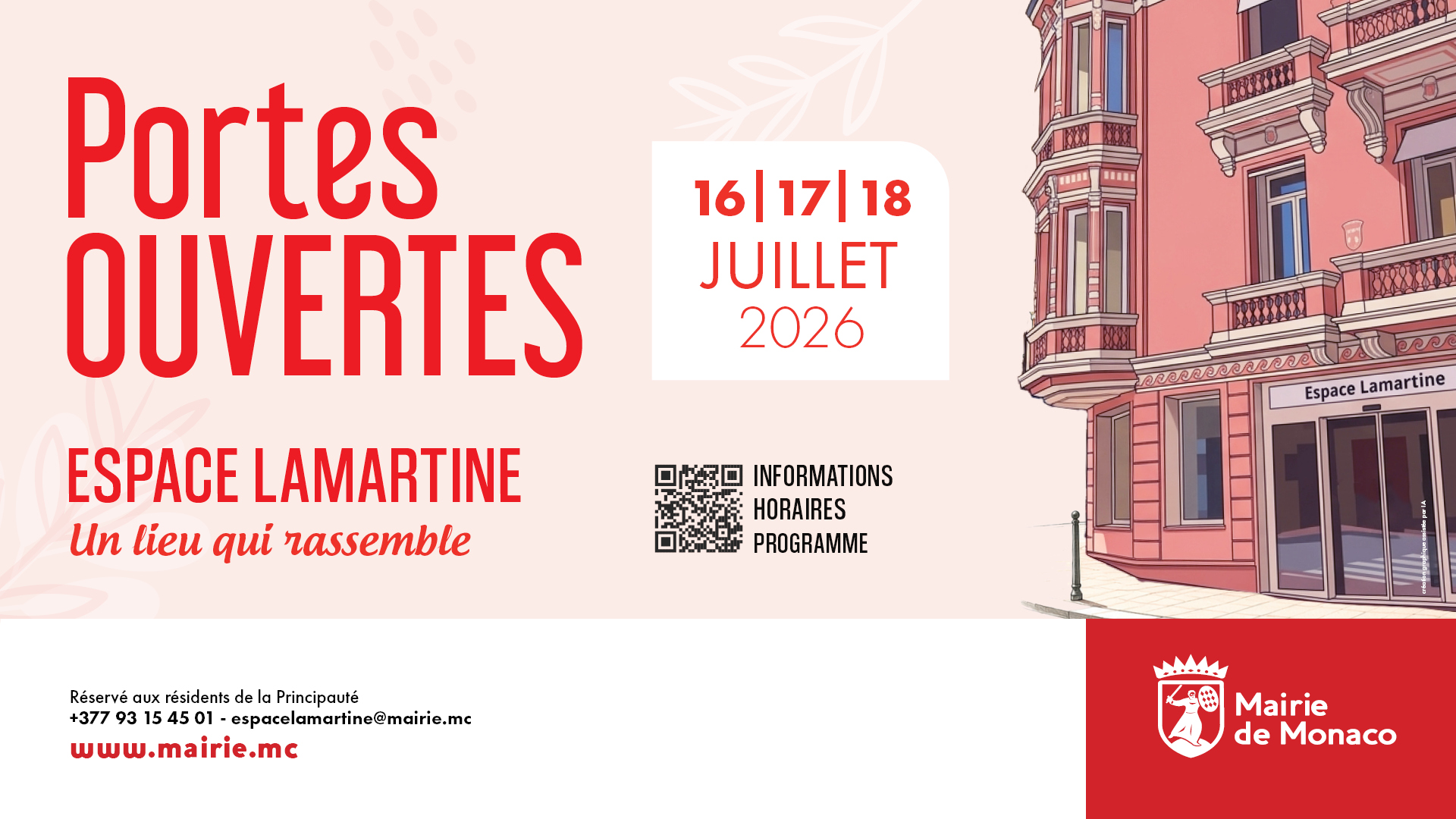
Visitors will be able to explore the restored rooms, meet the teams behind the centre and learn more about the activities scheduled across the year.
Yet the significance of the reopening reaches further than a repaired building.
Modern cities are full of people and still capable of producing loneliness. Monaco is no exception. Life can move quickly here, shaped by work, school schedules, international travel and the peculiar anonymity that can exist even within a country of just two square kilometres.
Spaces such as Espace Lamartine offer something increasingly valuable: a place to belong without needing an invitation.
An art workshop can become a weekly ritual. A fitness class can bring together people who might otherwise never meet. A cultural event can introduce one generation to another. These moments may appear small, but community is rarely built through one grand gesture. More often, it grows through repeated encounters in familiar rooms.
The centre’s intergenerational character is particularly meaningful. Cities are often organised by age, with children, working adults and older residents moving through separate routines. Espace Lamartine creates opportunities for those lives to cross.
That matters not only for companionship, but for the identity of the Principality itself. Monaco’s story is carried by its long-standing residents, renewed by younger generations and enriched by those who arrive from elsewhere. A healthy community needs spaces where those experiences can be shared.
The reopening also serves as a quiet reminder that wellbeing is not found solely in medical care or private retreats. It can begin with activity, purpose and the reassuring knowledge that there is somewhere to go.
After months of closure, Espace Lamartine will once again become one of those places.
Its return may not transform Monaco overnight. But for the person who discovers a new interest, meets a new friend or simply feels a little less alone, it could make an immeasurable difference.
Sometimes the strongest communities are built not in Monaco’s largest rooms, but in the ones where everybody is welcome.