Independent English-language news from the Riviera
Live
Cannes: Cannes fireworks festival closes its 2026 edition tonight  ·  Côte d'Azur: Alpes-Maritimes farmers report steep losses as drought bites again  ·  Nice: Tributes pour in after Nice man killed in Albania  ·  Côte d'Azur: Transport cuts spark row between region, department and Nice mayor  ·  Nice: Nice hotels post strong July as short breaks reshape season  ·  Cannes: Cannes police roll out nitrous oxide detectors for road checks  ·  Cannes: Three face trial over Croisette watch heist in October  ·  Cannes: Search resumes off Théoule coast for missing boater  ·  Cannes: Cannes fireworks festival closes its 2026 edition tonight  ·  Côte d'Azur: Alpes-Maritimes farmers report steep losses as drought bites again  ·  Nice: Tributes pour in after Nice man killed in Albania  ·  Côte d'Azur: Transport cuts spark row between region, department and Nice mayor  ·  Nice: Nice hotels post strong July as short breaks reshape season  ·  Cannes: Cannes police roll out nitrous oxide detectors for road checks  ·  Cannes: Three face trial over Croisette watch heist in October  ·  Cannes: Search resumes off Théoule coast for missing boater
Monaco —°
Nice —°
Cannes —°
Antibes —°
Menton —°
Sea —°
Monaco's oldest cave prepares to reveal secrets 250,000 years in the making
Monaco

Monaco's oldest cave prepares to reveal secrets 250,000 years in the making

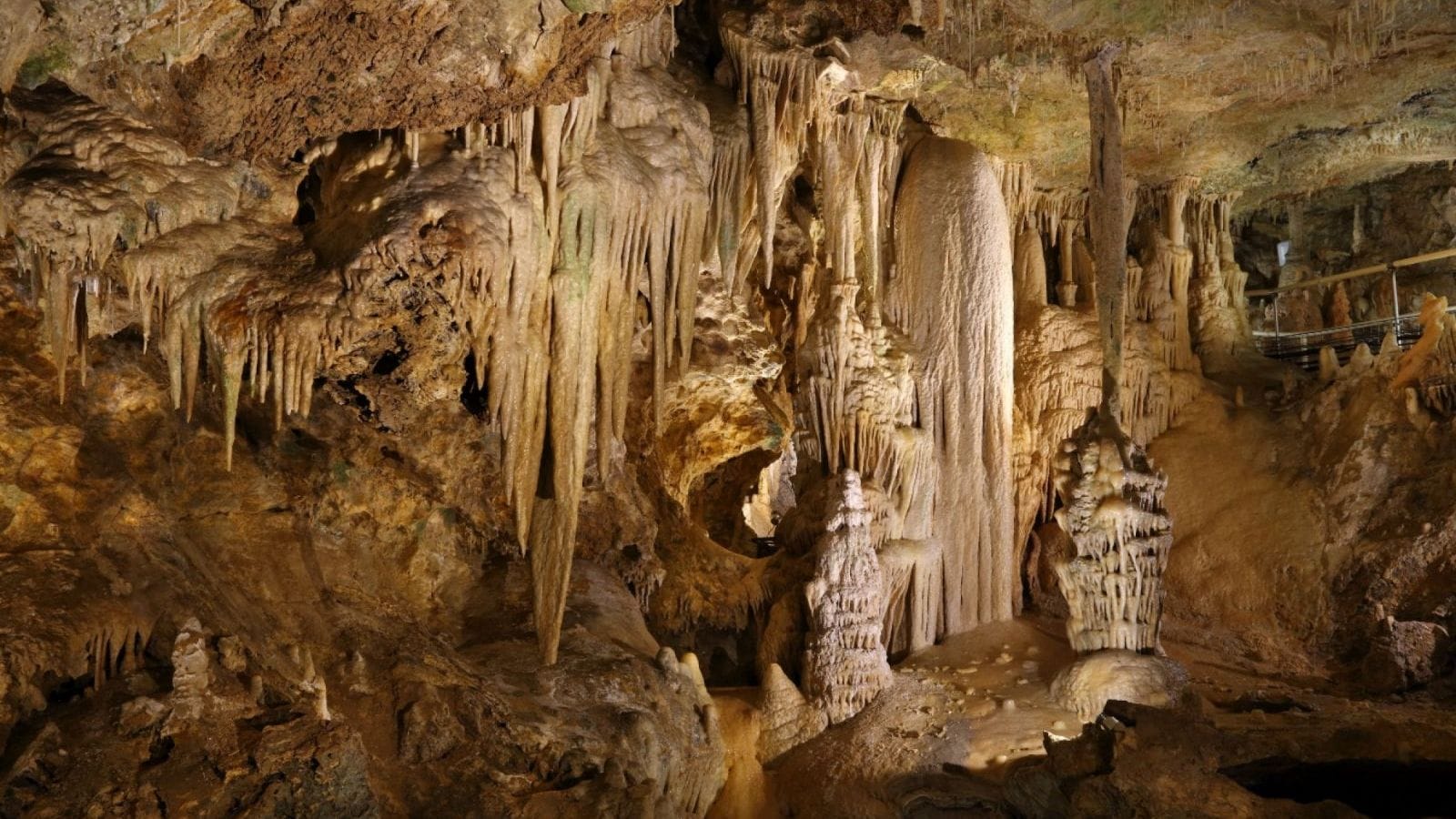
The Museum of Prehistoric Anthropology's international field school returns to the Grotte de l'Observatoire this September, inviting participants to excavate layers holding the earliest known evidence of human presence in the Principality.

Beneath the Jardin Exotique, in a cave first explored more than a century ago, Monaco's deepest history is still being written.

The Museum of Prehistoric Anthropology, founded by Prince Albert I in 1902, will run its Fouille-École Internationale Monaco 2026 from September 8 to 30 at the Grotte de l'Observatoire, inviting participants to excavate archaeological layers dating between 250,000 and 200,000 years old.

These layers, according to the museum, represent the earliest known evidence of human occupation anywhere in the Principality, offering a window onto the early humans who once moved along the Mediterranean coastline long before Monaco existed as a place with a name. The cave itself has drawn researchers since excavations began in 1916, revealing traces of Homo erectus, Neanderthals and Homo sapiens across roughly 300,000 years of intermittent habitation.

The three week programme is built for hands-on learning, splitting time between fieldwork and post-excavation analysis. Participants will train in stratigraphic excavation, field data recording, archaeological surveying, and the careful in situ study of artefacts as they emerge from the ground. Applications, consisting of a CV and cover letter, are now open through the museum directly.

Long before the Casino, long before the Grand Prix, this stretch of rock was simply a place people came back to. This September, for three weeks, it will be again.

The Blue Coast Briefing
Monaco & the Riviera,
every morning.

Independent English-language news from Monaco and the Côte d'Azur. Free, daily, in your inbox.

No spam. Unsubscribe any time.