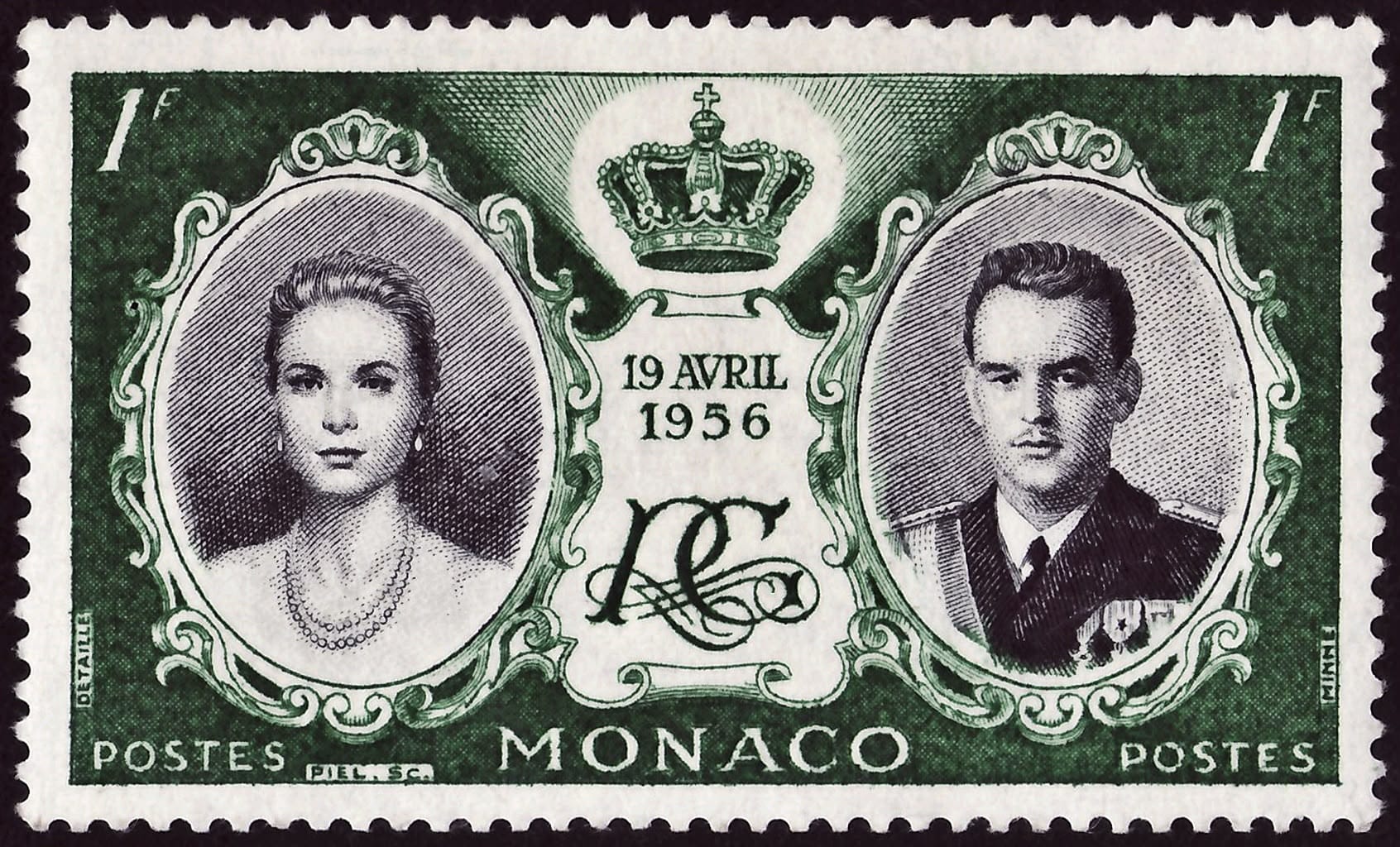
There are weddings, and then there are weddings that become part of a country’s mythology.
This summer, the Prince’s Palace of Monaco has opened its doors to one of the most carefully preserved love stories of the twentieth century with The Wedding of the Century, an exhibition dedicated to the marriage of Prince Rainier III and Grace Kelly. Seventy years after Hollywood’s golden girl became Princess of Monaco, the Principality is revisiting the moment it discovered that romance, when properly lit and photographed from the right angle, can become a form of soft power.
And Monaco, it must be said, has always understood lighting.
The exhibition, held within the State Apartments of the Prince’s Palace, brings together photographs, film footage, audio recordings, jewellery, dresses, wedding gifts and rare archival material from the days surrounding the royal wedding in April 1956. It follows Grace Kelly’s arrival in Monaco aboard the SS Constitution, the civil and religious ceremonies, and the celebrations that turned a small Mediterranean principality into the centre of the world’s attention.
It was not simply a wedding. It was diplomacy in lace, cinema in a cathedral, and public relations with a bouquet.
Long before Instagram carousels, engagement reels and the modern habit of announcing happiness as though it were a product launch, Grace Kelly arrived in Monaco with a kind of composure that now feels almost subversive. She did not need to convince the world she was elegant. She simply was. This, of course, is deeply irritating to those of us who have ever tried to look composed while boarding a flight, finding a passport, or locating a lip balm at the bottom of a handbag.
Grace’s marriage to Prince Rainier III has always existed somewhere between history and fairytale. She was the Oscar-winning actress who left Hollywood at the height of her fame. He was the young sovereign prince of a small state with enormous ambition. Together, they created a visual language that Monaco still speaks fluently today: polished, cinematic, disciplined, romantic and just the right side of impossible.
The genius of the exhibition lies in its understanding that Grace Kelly was never merely decorative. Beauty may have brought the cameras, but it was presence that kept them there. She represented a form of femininity that was soft without being fragile, poised without being passive, and powerful without needing to raise its voice. In an age that often confuses visibility with influence, Grace remains a reminder that quiet can be commanding.
One of the reasons her story continues to fascinate is that it changed Monaco as much as it changed her. The wedding brought together old Europe and new Hollywood, royal tradition and American glamour, privacy and spectacle. It was a marriage, certainly, but it was also a moment of national reinvention. Monaco became not only a place on the map, but an image in the global imagination.
A harbour. A palace. A cathedral. A woman in silk and lace stepping out of one life and into another.
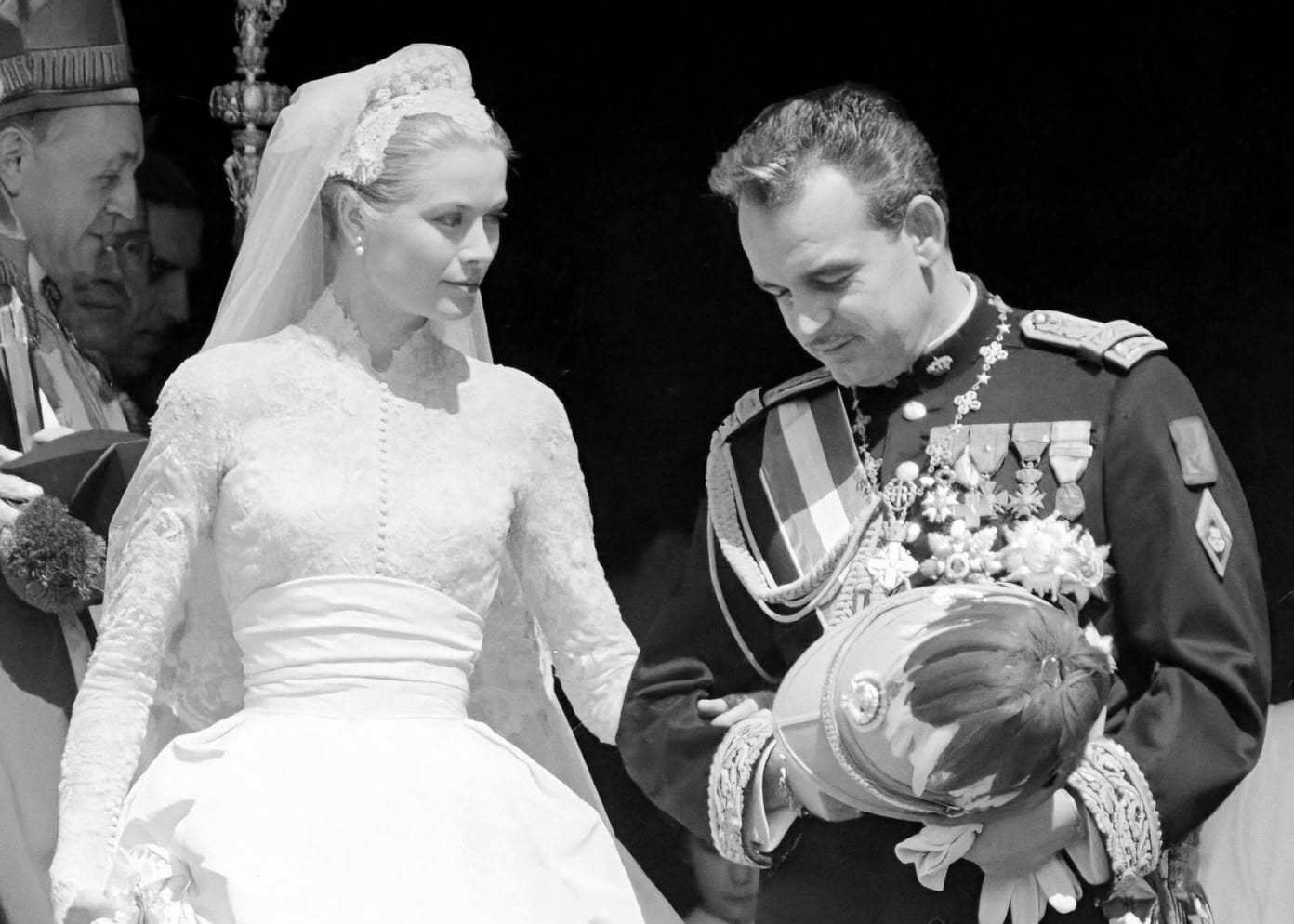
It is tempting, of course, to look at the photographs and surrender completely to the fairytale. The gowns, the jewels, the perfect posture, the kind of elegance that makes modern minimalism look slightly underdressed. Yet the most interesting thing about Grace Kelly is not that she looked like a princess. It is that she became one, with all the complexity that transformation required.
Fairytales are charming from a distance. Up close, they tend to involve duty, sacrifice, scrutiny and an alarming number of people having opinions about your hemline.
The exhibition allows visitors to consider Grace not only as an icon, but as a woman navigating identity, public expectation and private change. She was adored, observed, copied and mythologised. Her wedding dress alone has lived several lives since 1956, inspiring brides, designers and mood boards with the quiet authority of a woman who never had to shout “timeless” because everyone else did it for her.
There is also something rather moving about Monaco choosing to revisit this story now. In a world where celebrity culture is consumed, discarded and replaced before anyone has had time to spell the surname correctly, Grace Kelly’s image still has weight. The photographs do not feel disposable. The dresses do not feel like content. The gifts and recordings are not simply beautiful objects. They are evidence of a moment when elegance still believed in patience.
And patience, in 2026, may be the rarest luxury of all.
Monaco has never been short of glamour. This is, after all, a place where one can see a yacht, a diamond and a person wearing sunglasses indoors before breakfast. But the Grace Kelly story offers something deeper than surface sparkle. It reminds the Principality of the emotional architecture beneath its image. The romance was not merely decorative. It helped shape Monaco’s modern identity.
That is why The Wedding of the Century feels less like nostalgia and more like a cultural mirror. It invites Monaco to look back at the moment it became not just wealthy, beautiful and strategically positioned, but genuinely enchanting.
Seventy years later, Grace Kelly still performs the impossible trick of making elegance feel intelligent. She remains refined without being remote, feminine without being ornamental, iconic without becoming untouchable. Her legacy belongs not only to royal history or fashion history, but to the history of women who understood that grace itself can be a form of authority.
The world has changed beyond recognition since 1956. Weddings are now content strategies, romance is often captioned before it is felt, and nobody seems able to eat dinner without photographing it first. Yet somehow, Grace Kelly still cuts through the noise. She reminds us that beauty can have discipline, glamour can have meaning, and a great entrance, if done properly, can last for seventy years.
For Monaco, this exhibition is not simply about looking back. It is about remembering the moment a love story became part of its national character.
And for the rest of us, it is a chance to stand before the evidence and admit, however reluctantly, that some women really do know how to make history look effortless.